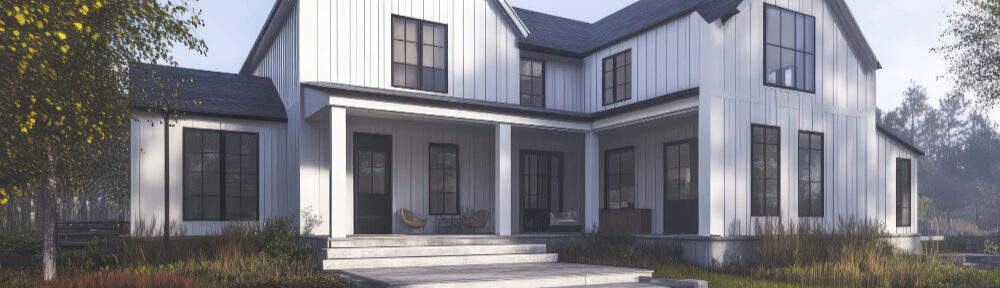
Choosing the right exterior siding material is one of the most important decisions homeowners make when building or remodeling a home. Among the various panel siding options available, T1-11 has remained a popular choice for decades because of its durability, versatility, and traditional appearance. Before beginning a project, however, many homeowners ask an important question: what is the proper T1-11 thickness for their home?
Understanding panel dimensions and thickness options is essential because these factors directly affect durability, structural performance, and long-term maintenance. Whether used for sheds, garages, workshops, or residential exteriors, selecting the appropriate thickness helps ensure reliable results.
What Is T1-11 Siding?
T1-11 is a wood-based panel siding product designed for exterior applications. It is recognized by its vertical grooves that create the appearance of individual boards while offering the installation efficiency of large panels.
Homeowners often choose T1-11 because it provides:
- A traditional exterior appearance
- Large panel coverage
- Versatile design applications
- Structural support benefits
- Customizable finishes
These characteristics have helped maintain its popularity for many years.
Why Thickness Matters
Thickness is one of the most important factors when selecting T1-11 panels because it influences both performance and durability. Thicker panels generally offer increased rigidity and improved resistance to exterior stresses.
Homeowners researching T1-11 siding thickness should consider how the material will be used and the environmental conditions it will face.
Thickness Influences Several Factors:
- Structural stability
- Weather resistance
- Durability
- Installation requirements
- Long-term maintenance needs
Choosing the appropriate panel size helps ensure reliable performance over time.
Common T1-11 Thickness Options
T1-11 is available in several thickness variations depending on the intended application. Different projects may require different levels of support and durability.
Common thickness options include:
- 3/8 inch
- 1/2 inch
- 5/8 inch
- 3/4 inch
Each option offers different advantages based on project requirements.
Panel Dimensions Are Also Important
In addition to thickness, homeowners should understand overall panel dimensions. Large panels allow installers to cover significant surface areas more efficiently than traditional individual boards.
Homeowners often explore T1-11 panel dimensions when planning material quantities and installation strategies.
Where T1-11 Is Commonly Used
T1-11 remains a versatile siding option that can be applied to various structures beyond traditional homes.
Popular Applications Include:
- Residential exteriors
- Detached garages
- Garden sheds
- Workshops
- Accessory buildings
Its adaptability makes it a practical choice for multiple types of projects.
Climate Conditions Affect Material Selection
Environmental exposure plays an important role when choosing siding materials. Areas with significant rainfall, humidity, or temperature fluctuations may require additional attention during the planning process.
Selecting the proper thickness can help improve resistance to exterior stresses and support long-term durability.
Proper Installation Is Critical
Even high-quality materials depend on correct installation to perform effectively. Proper fastening methods, moisture management, and accurate panel spacing all contribute to successful results.
Professional installation helps ensure that siding performs as intended.
Benefits of Professional Installation Include:
- Improved weather protection
- Enhanced durability
- Better appearance
- Long-term reliability
Skilled workmanship helps maximize the value of the investment.
Maintenance Supports Long-Term Performance
Like many exterior materials, T1-11 benefits from routine inspections and maintenance. Regular care helps preserve appearance and identify any issues before they become larger concerns.
Recommended maintenance often includes:
- Inspecting for moisture exposure
- Monitoring painted surfaces
- Checking panel condition
- Addressing minor repairs promptly
Consistent maintenance supports longer material lifespan.
Does T1-11 Add Value to a Home?
Exterior appearance contributes significantly to property appeal. Properly installed and maintained siding can help create positive impressions while enhancing curb appeal.
While every project differs, attractive and durable exteriors often contribute positively to overall marketability.
Is T1-11 Still a Good Choice Today?
Many homeowners continue to select T1-11 because it offers a balance of traditional aesthetics, practical performance, and installation efficiency. When properly installed and maintained, it remains a dependable exterior option.
Understanding the appropriate thickness and dimensions helps ensure the material performs effectively for many years.
Final Thoughts on T1-11 Thickness
Selecting the correct T1-11 thickness is an important step in any exterior remodeling or construction project. Thickness influences durability, weather resistance, and long-term performance, making it essential to choose the right option for your specific needs.
By understanding available dimensions, planning carefully, and investing in professional installation, homeowners can create attractive exteriors that provide lasting value and dependable protection.