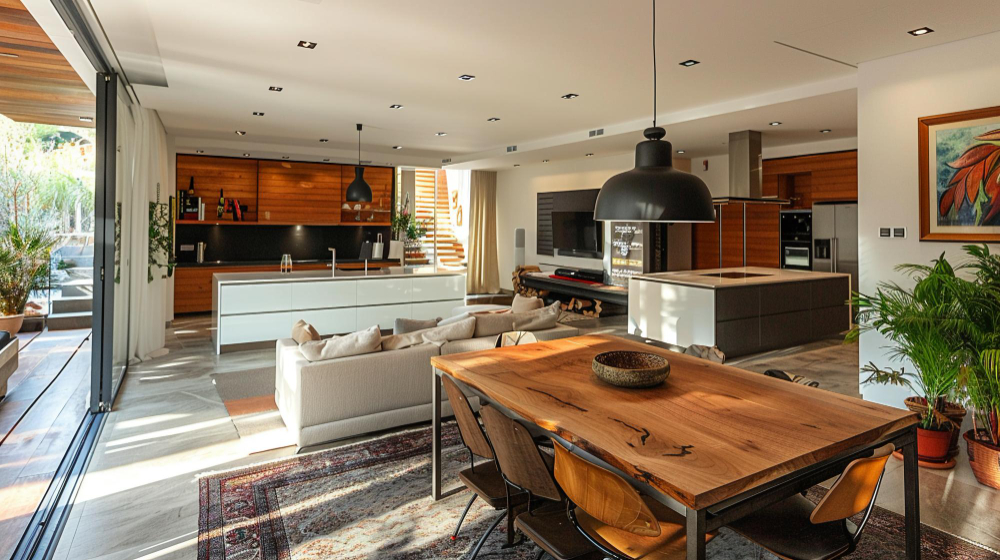
A well-organized pantry can completely change how a kitchen functions every day. Homeowners searching for custom pantry systems are often looking for ways to maximize storage, reduce clutter, and create a more efficient cooking environment.
Modern pantry designs have evolved beyond simple shelves. Today’s custom systems offer personalized organization that accommodates groceries, appliances, cookware, and household supplies while enhancing the overall appearance of the kitchen.
Whether you’re remodeling your kitchen or simply improving storage, a custom pantry system can create a cleaner, more functional, and more valuable home.
Why Pantry Organization Is More Important Than Ever
Busy households rely on efficient storage solutions.
Popular benefits include:
- Reduced kitchen clutter
- Improved accessibility
- Better food organization
- Enhanced functionality
- Increased property value
Well-designed pantries simplify daily routines.
What Are Custom Pantry Systems?
Custom pantry systems are personalized storage solutions designed to fit the specific dimensions and needs of your kitchen.
Homeowners researching custom pantry systems often appreciate the flexibility these designs provide.
Common features include:
- Adjustable shelving
- Pull-out drawers
- Vertical dividers
- Specialized organizers
These features maximize storage capacity.
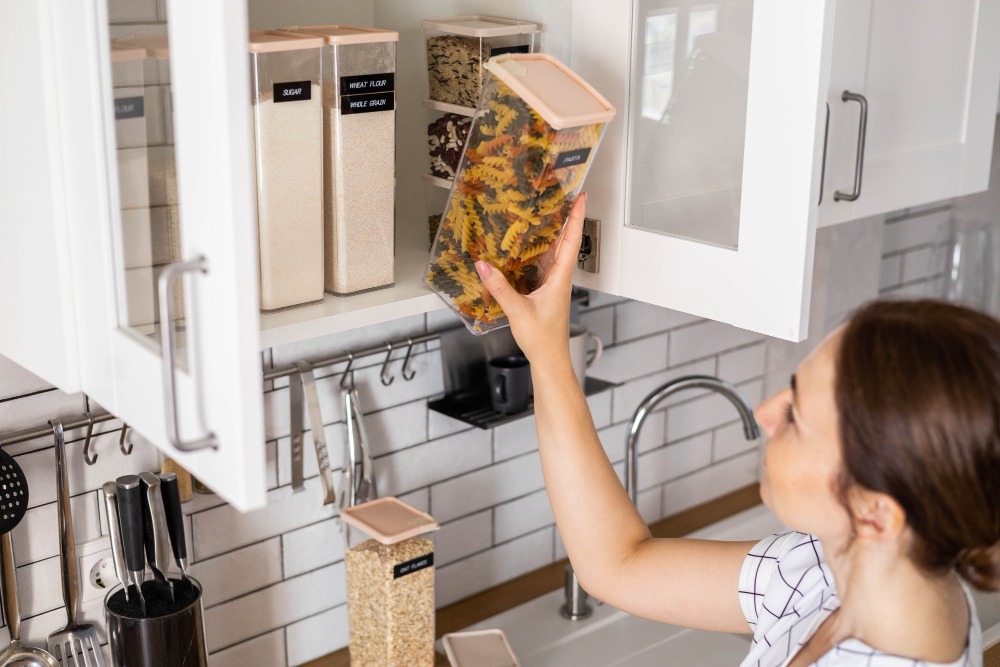
Personalized Storage Improves Kitchen Efficiency
Every family has unique organizational needs.
Popular storage zones include:
- Dry food sections
- Snack stations
- Baking supplies
- Small appliance storage
Dedicated zones simplify meal preparation.
Pull-Out Shelving Enhances Accessibility
Hidden items often become forgotten items.
Benefits include:
- Better visibility
- Easier access
- Improved organization
- Reduced waste
Pull-out systems maximize usability.
Vertical Storage Maximizes Every Inch
Floor-to-ceiling designs optimize available space.
Popular additions include:
- Tray dividers
- Bottle storage
- Cutting board organizers
- Spice racks
Vertical storage increases efficiency.
Walk-In Pantries Create Luxury Kitchens
Walk-in designs continue to grow in popularity.
Popular features include:
- Countertop workspaces
- Extra cabinets
- Dedicated lighting
- Decorative shelving
Walk-in pantries provide exceptional functionality.
Built-In Pantry Storage Creates Seamless Designs
Integrated storage creates a polished appearance.
Many homeowners also explore built-in pantry storage when planning complete kitchen renovations.
Benefits include:
- Custom organization
- Elegant aesthetics
- Improved accessibility
- Better space utilization
Built-in systems maximize kitchen efficiency.
Professional Installation Ensures Precision
Custom pantries require accurate measurements.
Professional services include:
- Space assessments
- Digital measurements
- Cabinet alignment
- Final inspections
Professional workmanship protects your investment.
Lighting Improves Visibility and Convenience
Lighting enhances both appearance and usability.
Popular lighting additions include:
- LED strips
- Motion sensors
- Accent fixtures
- Under-shelf lights
Proper lighting makes pantry organization easier.
Walk-In Pantry Organization Simplifies Daily Life
Large pantries support busy households.
Many homeowners also research walk-in pantry organization when creating luxury kitchens.
Long-term advantages include:
- Improved accessibility
- Reduced clutter
- Better efficiency
- Enhanced aesthetics
Organized kitchens support everyday living.
How Pantry Systems Increase Property Value
Buyers appreciate organized kitchens.
Benefits include:
- Improved functionality
- Enhanced buyer confidence
- Greater marketability
- Luxury appeal
Kitchen storage upgrades often provide excellent returns.
Questions Homeowners Should Ask Before Starting
- How much pantry storage do I need?
- Should I add pull-out shelves?
- Do I need appliance storage?
- Should I install integrated lighting?
- What is my remodeling budget?
These answers simplify planning.
Common Pantry Design Mistakes to Avoid
- Ignoring future storage needs
- Choosing insufficient shelving
- Overlooking lighting design
- Skipping measurements
- Hiring inexperienced installers
Thoughtful planning ensures long-term success.
Final Thoughts
Investing in premium custom pantry systems allows homeowners to create organized, beautiful, and highly functional kitchens.
From pull-out shelving and vertical storage to walk-in pantries and integrated lighting, every feature contributes to a better daily experience.
By choosing quality custom pantry systems, homeowners can enjoy efficient kitchens that remain valuable for many years.